What Is Teak Wood?
The Tectona grandis tree, which is indigenous to south and southeast Asia, is the source of Teak wood, a dense, closely-grained species of hardwood. Teak has a smooth grain and texture, and its natural color is golden. It has abundant natural oils, making it tough, long-lasting, and almost immune to rotting even if left untreated. Teak holds the title “King of the Woods,” due to its durability, resistance to interacting with most metals, and its overall strength. Teak makes beautiful, long-lasting outdoor furniture because of its resilience to water.
Also known as “Burmese Teak,” this designation is sometimes used to distinguish between Teak cultivated on plantations and Teak that is grown naturally, typically in Myanmar, which is also known as Burma. Due to the sandy soil in which it grows in Myanmar, Burmese Teak wood naturally has a high amount of silica, which impregnates the wood’s fibers and makes it almost waterproof. Teak cultivated on plantations, however, often has a lower silica content. At J. Gibson McIlvain Company we source our high quality Teak lumber from FSC forests and plantations around the world.

The Tectona Grandis Tree
The Teak tree, or Tectona grandis, is the source of Teak wood. A tall, deciduous tree, the Teak tree can be naturally found throughout India, Indonesia, Malaysia, Thailand, and Burma. Teak, which can reach heights of 130 feet or more and have a lifespan in the forest of 100 years, is prized for its lovely color and grain, longevity, strength, and resistance to splitting, cracking, termites, fungus, and weathering. Teak trees can grow at a rate of almost half an inch each day. From planting to harvesting, a minimum of 25 years is needed before a Teak tree grown on a Teak plantation can be logged.

Teak Facts
- Common Names: Teak, Burmese Teak, Genuine Teak
- Scientific Name: Tectona grandis
- Source: Native to Laos, Burma, India & Thailand; it is now plantation-grown throughout tropical regions of Asia, Africa & even Latin America.
- Tree Size: 100-130 feet tall with a 3-5 feet trunk diameter
- Specific Gravity: 0.55, 0.66
- Modulus of Rupture: 14,080 lbf/in2
- Average Dried Weight: 40.9 pounds per cubit foot
- Elastic Modulus: 1,781,000 lbf/in2
- Janka Hardness: 1,070 lbf
- Shrinkage: Tangential: 5.3%, Radial: 2.6%, T/R Ratio: 2, Volumetric: 7.2%
- Crushing Strength: 7,940 lbf/in2

Is Teak a Hard Wood?
The Janka Wood Hardness Scale measures the force required to embed an 0.444 inch steel ball into a piece of wood in order to assess the hardness of the specific type of wood being examined. Teak has a Janka grade of 1000-1155, making it harder than Mahogany, White Pine, Chestnut, and Poplar woods.

How Is Teak Harvested?
The best wood comes from Teak trees that are older, between 40 and 80 years old. These old growth trees are primarily found in Myanmar (Burma). Before Teak can be used to make timber, it must dry for one to two years.

How Durable Is Teak Wood?
One of the hardest woods is often cited as being Teak. Teak is dense, robust, and nearly immune to rotting because of its close grain and high mineral and natural oil content. Teak wood naturally resists rotting, warping and extreme weather conditions, which means when exposed to the elements it can last for many decades even when left untreated. Some of the park benches in the United Kingdom made from Teak are almost a century old! Teak ages nicely while resisting variable weather extremes.

Will Teak Rot?
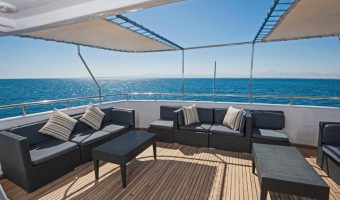
Teak is extremely resistant to rotting because it contains a lot of natural oils which protect the wood from the elements. Teak has a moderate level of resistance to powder post beetles and marine borers, but it is very resistant to termites. Teak should not decay for 20 years if left outside all year, even in the rain and snow. Despite being a porous substance, Teak has a high concentration of natural protective oils that keep it from rotting, warping, or splitting when exposed to water. Because of its exceptional rot resistance and longevity in marine settings, even though it is not waterproof, Teak is often utilized in yacht construction for surface wood exposure. Note that old growth Teak sourced from Myanmar has a higher silica content than plantation Teak; this higher silica content helps old growth Teak have a higher waterproof quality than plantation Teak.
What Does Teak Wood Look Like?
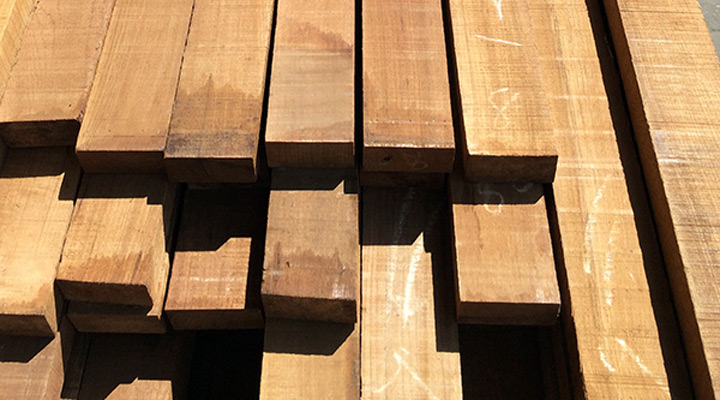
Teak heartwood often has a golden to medium brown tint, which gets darker with age. Although rarely wavy or entangled, the grain is mostly straight. Teak wood has a moderate to low natural shine and a rough, uneven texture. The natural oils in Teak give raw, unfinished wood surfaces an oily or greasy texture.

How Does Teak Wood Age?
When exposed to the sun and rain, untreated Teak ultimately ages and weathers to a lovely silvery-grey patina over time as a result of the top layer oxidizing from exposure to rain and UV rays. The only part of the Teak that is impacted by this cosmetic aging is the surface layer of molecules. Special protective & cleaning liquids can be used to occasionally treat and seal the wood to help maintain the original classic Teak color.
How Easy Is Teak to Work With?
Teak is generally easy to work with excluding the fact that it has a high concentration of silica (up to 1.4%), which has a noticeable blunting impact on cutting edges. Old growth Teak with a higher silica content will be harder on tools than plantation grown Teak. Teak typically glues and finishes well despite its inherent oils, though in rare cases it might be necessary to clean the wood’s surface with a solvent before gluing/finishing to minimize the natural oils on the wood. Teak can smell like leather when it is freshly milled.

Are There Any Allergy Concerns with Teak?
Teak has been noted to be something which users who frequently work with it may gain increasing sensitivity to it over time; however, serious reactions are comparatively rare. Simple eye, skin, and respiratory irritation are typically the most prevalent reactions, along with other health problems like pink eye, rash, nausea, symptoms resembling asthma, and eyesight effects. When handling Teak, it is wise to use gloves, protective eye goggles and a breathing mask.

What Causes Teak Wood to Crack?
Teak wood is a natural product, therefore variations in humidity and temperature can occasionally cause microscopic cracks or splits, often known as checks or end grain checking. It is quite unlikely that these fractures or end grain checks will compromise the stability or structural integrity of your Teak wood given how tough and resilient Teak is.

Why Does Teak Wood Cost So Much?
Naturally sourced Teak is quite pricey, especially that originating from Myanmar; however, there is an increasing amount of more affordable Teak which is being grown on plantations all over the world. For large pieces of unfigured wood, Teak is possibly one of the most expensive lumbers available. On the surface, Teak wood may appear to be pricey. However, it’s more crucial to think about the long term worth of Teak than the amount of money you’ll initially pay. Grade A Teak will especially appear pricey, but it is an investment that can last a lifetime. Grade A Teak is incredibly resilient, able to survive all weather conditions, and remains attractive and strong for years – even decades.
Is Teak Sustainably Grown?
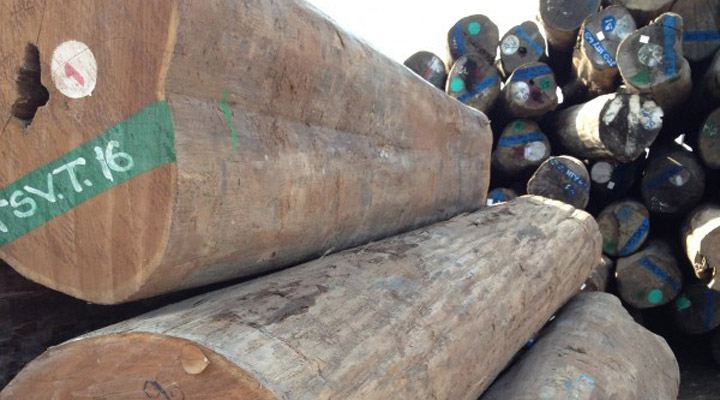
Teak wood has been traditionally sourced from Myanmar for many decades with the Myanmar government holding control over the country’s Teak industry. Due to the challenges of obtaining Teak wood from Myanmar, an increasing number of Teak plantations located throughout Asia, the Caribbean and South America are now producing Teak wood. At J Gibson McIlvain, we source our Teak lumber from FSC forests and plantations around the world.
What Is Teak Wood Used For?
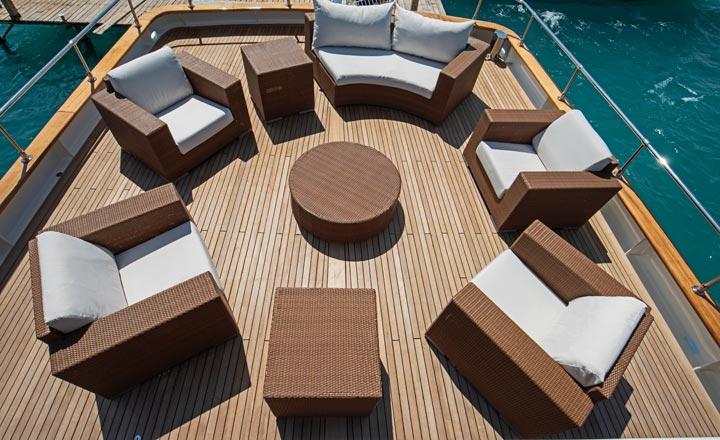
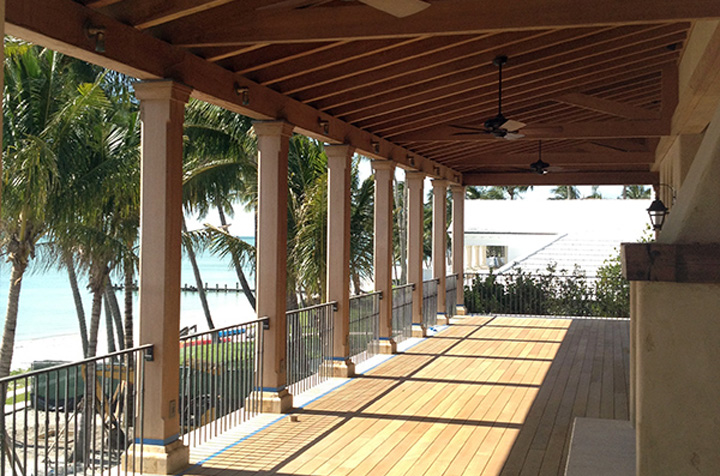
Teak is used for a variety of things, including veneer, frames, exterior construction, indoor and outdoor furniture. Common applications include carving, turning, ship and boat construction, and other small wood products. Because of its uniform appearance, robustness, and simplicity of matching across a larger surface, Teak wood with a vertical grain is highly sought after for boat decking applications.

Why Use Teak?
To put it simply, it’s a wonderful wood! Teak has long been a preferred material used extensively in India and within the areas where Teak naturally grows. It’s no surprise that Teak is among the most sought-after lumbers in the world given its exceptional stability, good strength attributes, easy workability, and most importantly, its outstanding resistance to decay and rot.